
ICSSPE was founded in the late 1950s with the aims of maintaining an inclusive perspective on the different disciplines of sport, sport science and physical education, and of furthering a continuing collaboration between them. It brings together a wide range of scientific and professional organisations of various sport branches and disciplines, and creates the possibility for interdisciplinary collaboration.
History of ICSSPE
History
Origins and Foundation (1956)
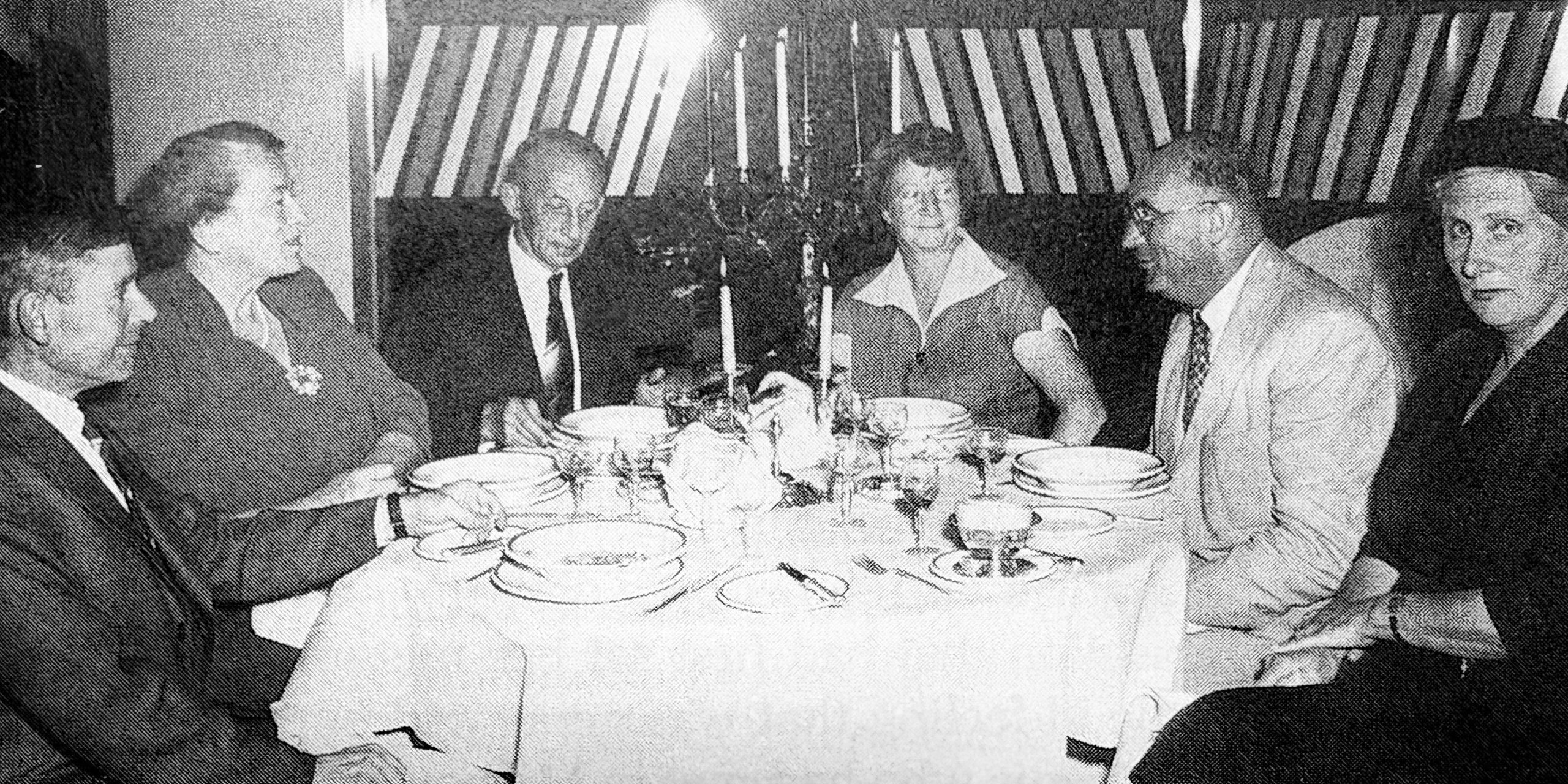
The International Council of Sport Science and Physical Education (ICSSPE) was founded in 1956 under the auspices of UNESCO, at a time when physical education and sport were gaining increasing recognition as essential components of education, health, and human development.
From its inception, ICSSPE was conceived as a global umbrella organisation bringing together scientific institutions, educators, researchers, and practitioners committed to advancing physical education and sport through scientific knowledge, international cooperation, and ethical principles. Its founding vision was clear: to place science in the service of physical education and sport worldwide.
Dave Munrow, Dorothy Ainsworth. Fritz Duras, Ernst Jokl, and Barbara Dodds (left to right) at a dinner party hosted by Fritz Duras during the 1956 World Congress on Physical Education, Melbourne.
Building a Global Scientific Network (1950s-1960s)
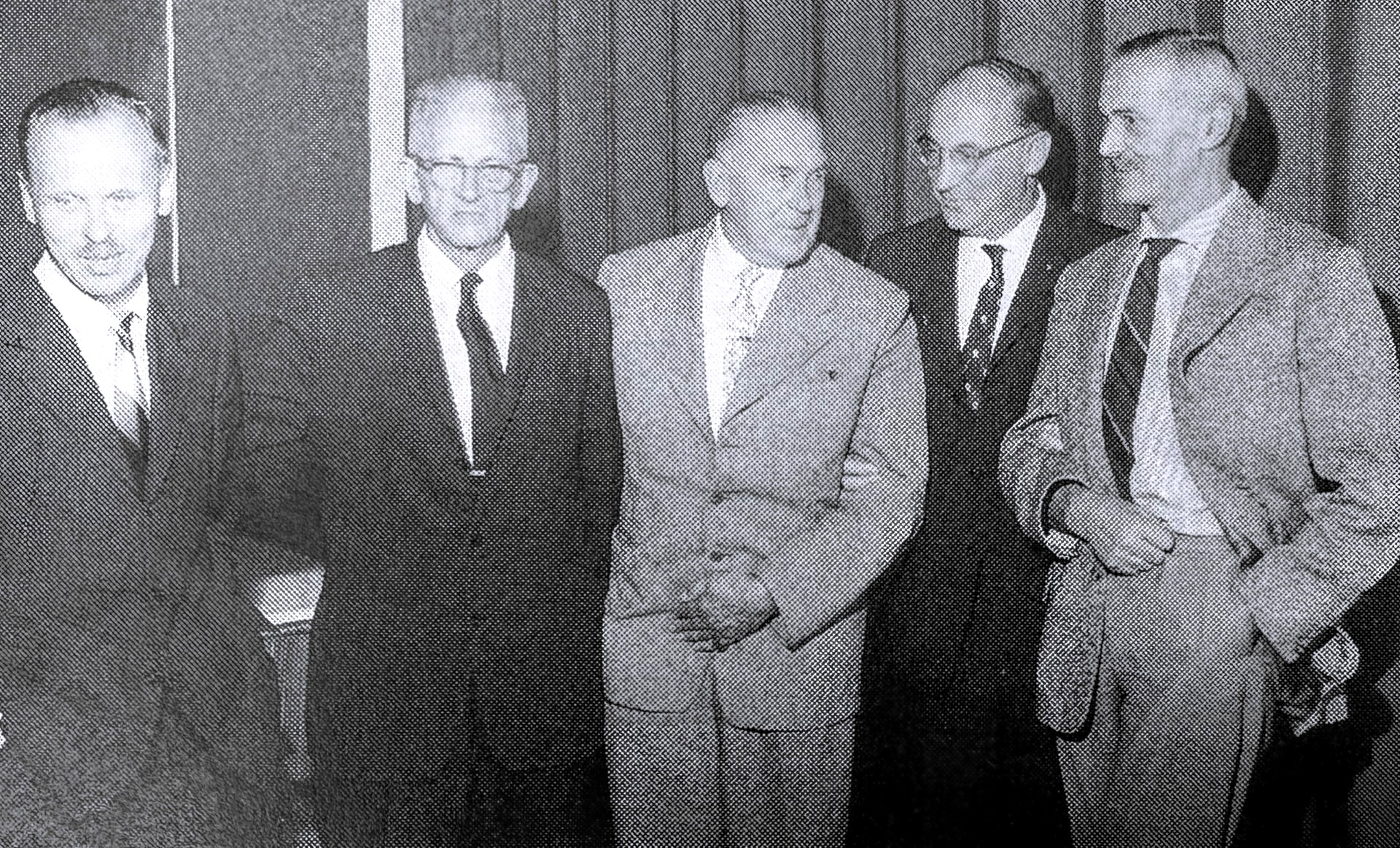
During its first decades, ICSSPE focused on establishing an international network of experts and institutions working in physical education, sport pedagogy, and emerging sport science disciplines. The organisation played a key role in facilitating cross-border exchange of knowledge, particularly at a time when academic collaboration between regions was still limited.
Close cooperation with UNESCO became a defining characteristic of ICSSPE’s work, reinforcing its role as a scientific advisor and convener at the international level. This period laid the foundations for ICSSPE’s long-standing commitment to education, teacher training, and curriculum development in physical education.
Founding Fathers of the ICSSPE Research Committee: (left to right) M. Karvonen, E. Simon, W. Missiuro, E. Jokl and R. Margaria.
Shaping International Policy and Normative Frameworks (1970s)
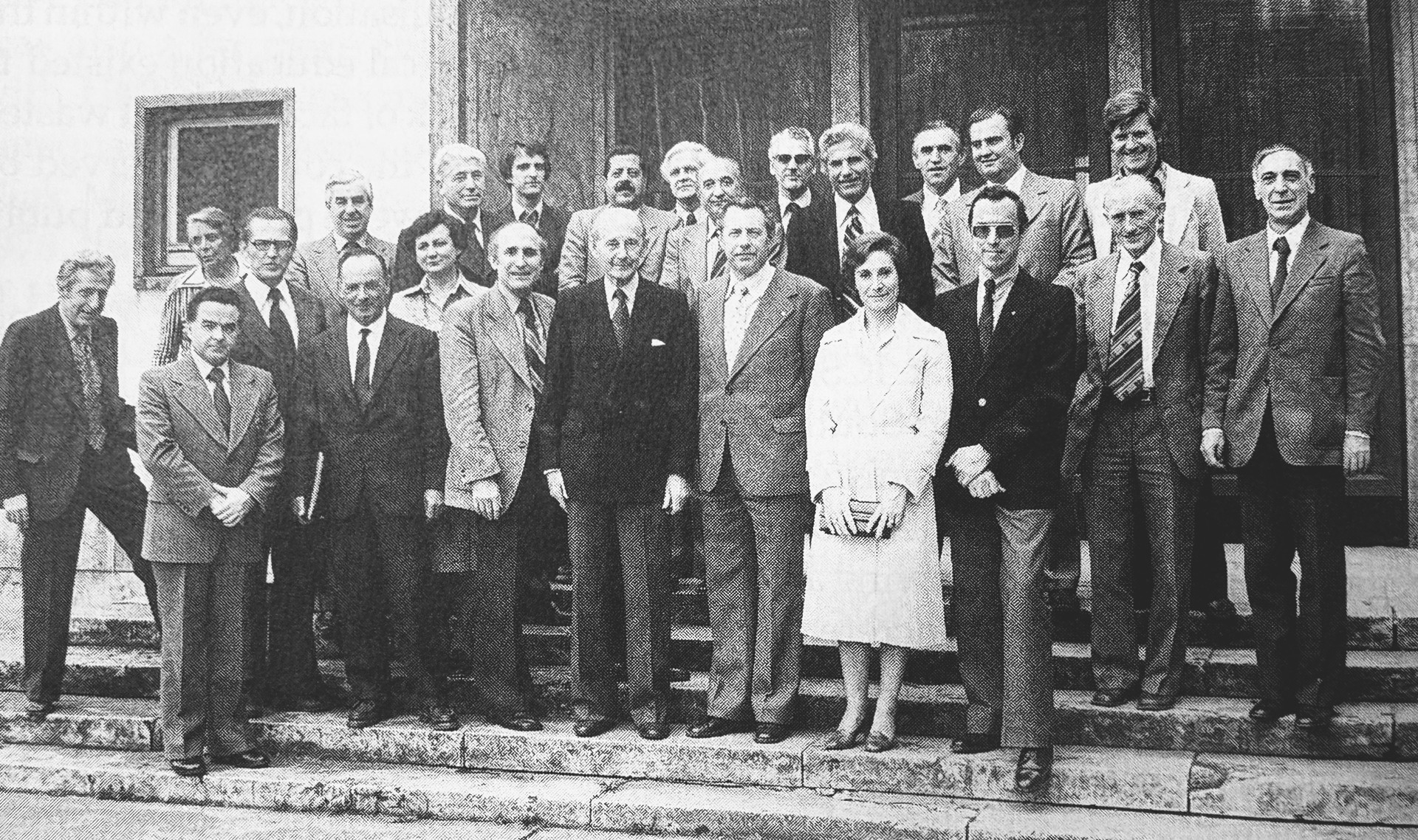
By the 1970s, ICSSPE had established itself as a respected voice in international policy discussions related to physical education and sport. Its scientific expertise contributed to a growing global consensus on the social, educational, and cultural value of sport.
A landmark moment came in 1978, with the adoption of the UNESCO International Charter of Physical Education and Sport. ICSSPE played an important intellectual and consultative role in shaping the thinking behind this Charter, which affirmed physical education and sport as a fundamental human right.
This period marked ICSSPE’s transition from a primarily scientific council to an organisation with significant policy influence.
ICSSPE Executive Board, weimar, May, 1978.
Consolidation and Interdisciplinary Leadership (1980s)
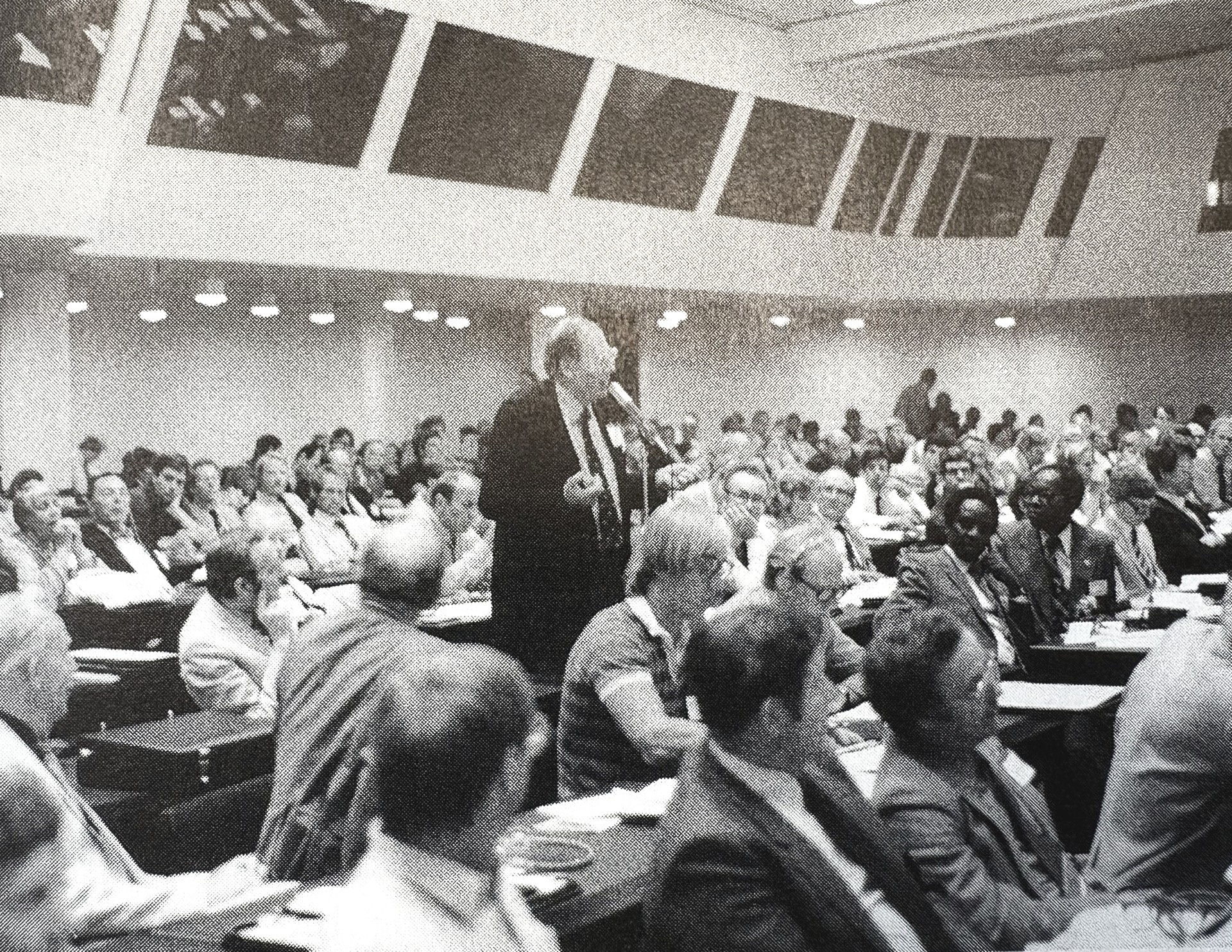
Throughout the 1980s, ICSSPE consolidated its position as a global reference point at the intersection of science, education, and sport policy. The organisation expanded its interdisciplinary scope, addressing not only performance and pedagogy, but also ethics, values, and the social role of sport.
ICSSPE increasingly acted as a bridge between researchers, educators, and decision-makers, fostering dialogue across sectors and regions. Its work during this decade reinforced the idea that quality physical education must be grounded in scientific evidence, ethical responsibility, and cultural sensitivity.
Sir Roger Bannister speaks at the International Congress on Sport and International Understanding, Helsinki, July 1982.
Institutional Maturity and Reflection (1990s)
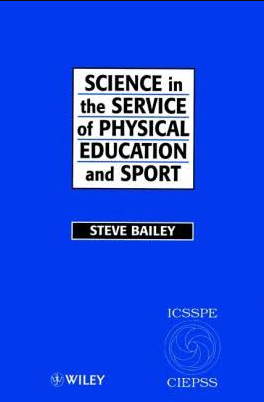
By the early 1990s, ICSSPE had reached a stage of institutional maturity, characterised by a strong and diverse international membership and sustained recognition by intergovernmental organisations.
In 1996, ICSSPE marked its 40th anniversary, accompanied by the publication of “Science in the Service of Physical Education and Sport: The Story of the International Council of Sport Science and Physical Education 1956–1996” by Steve Bailey. This publication documented four decades of ICSSPE’s contribution to the global development of physical education and sport, highlighting its enduring commitment to scientific integrity, international cooperation, and educational quality.
Growth, Leadership Change and Global Impact (Late 1990s–2000s)
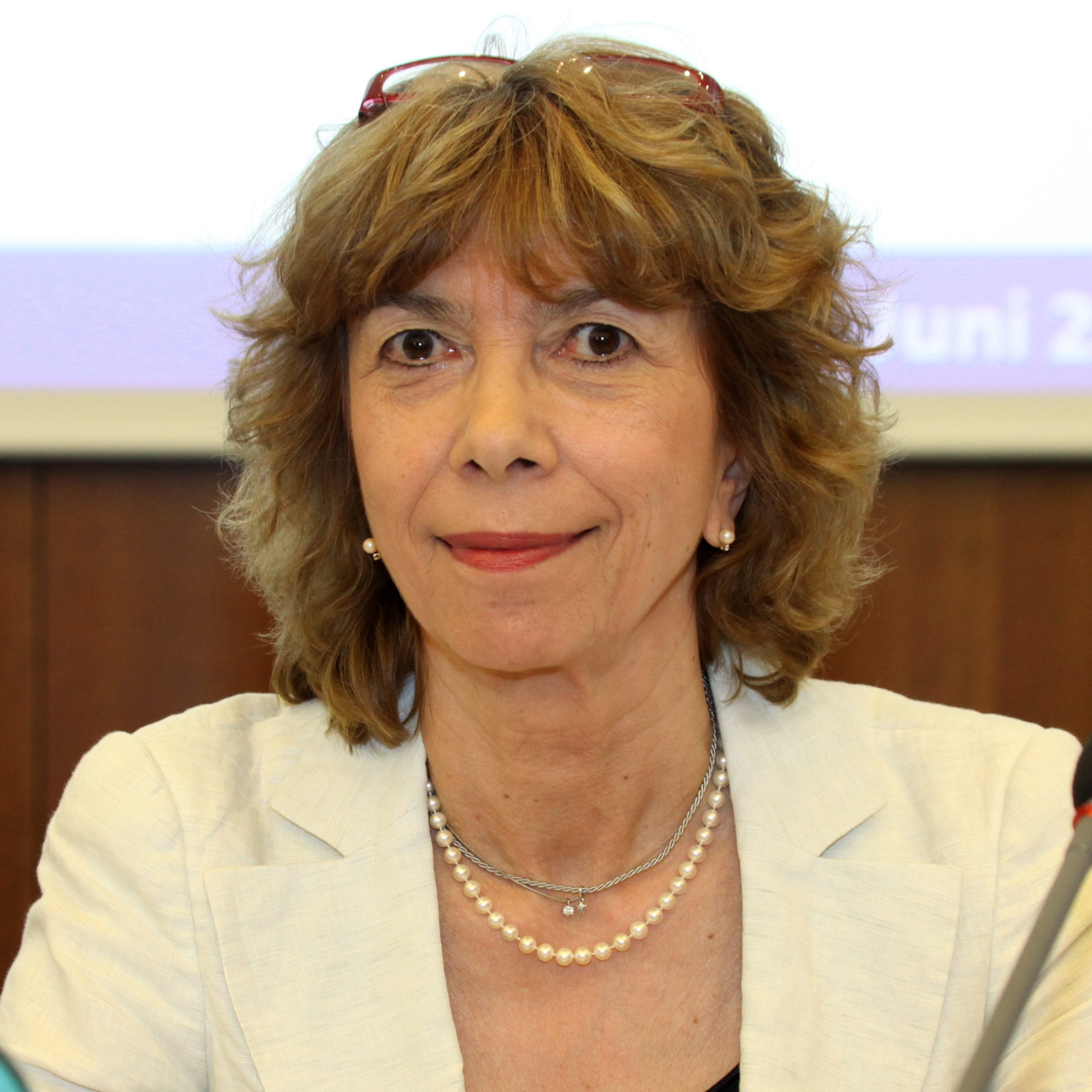
Following its 40th anniversary and the publication of Steve Bailey’s history in 1996, ICSSPE entered a new phase of expansion and strategic influence. That year, Professor Dr. Gudrun Doll-Tepper (Germany) was elected as ICSSPE’s first female President, marking a milestone in the organisation’s leadership. Under her presidency (1997–2008), ICSSPE experienced significant institutional growth, including the establishment of the Executive Office in Berlin and the relocation of the organisation’s legal seat to Germany’s capital.
Doll-Tepper’s tenure was characterised by a strong focus on inclusive physical education and sport, and she oversaw the launch of major international gatherings such as the first World Summit on Physical Education in 1999, which became a reference forum for global dialogue on the state and status of physical education. She also guided ICSSPE’s contribution to multiple events such as the Pre-Olympic Congress in Thessaloniki (2004) and the first International Convention on Science, Education and Medicine in Sport (2008) in Guangzhou, developed in cooperation with the IOC, IPC, and FIMS. Her leadership helped consolidate ICSSPE’s role as a global convener of science, advocacy, and education in sport and physical activity.
Global Advocacy, Rights-Based Frameworks and Contemporary Engagement (2010s–2020s)
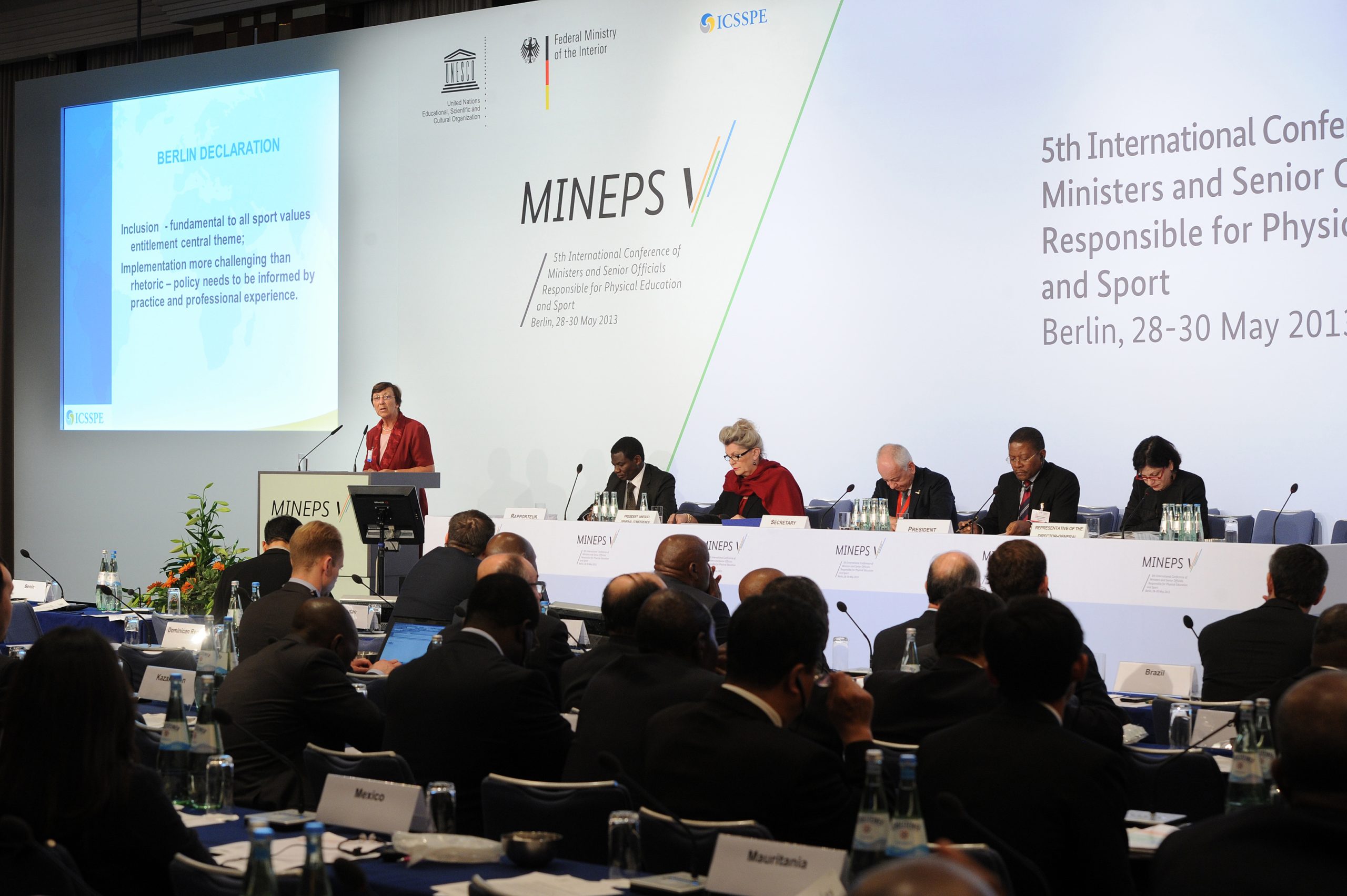
From the 2010s onwards, ICSSPE strengthened its role as a global advocate and knowledge broker for quality physical education, sport, and physical activity. The organisation contributed to major international policy processes, including MINEPS V in 2013, which led to the Berlin Declaration reaffirming governments’ commitment to inclusive, safe, and quality sport and physical education. In 2015, ICSSPE supported the development of the UNESCO International Charter of Physical Education, Physical Activity and Sport, reinforcing the recognition of access to physical education and lifelong physical activity as a fundamental right for all.
Alongside its advocacy work, ICSSPE expanded its engagement in international projects, capacity-building initiatives, and thematic working groups, addressing areas such as inclusion, gender equality, safeguarding, health promotion, and sustainability. Entering the 2020s, the organisation continues to respond to emerging global challenges through interdisciplinary collaboration, innovation, and knowledge exchange, while remaining firmly anchored in its founding mission to place science in the service of physical education and sport.
ICSSPE Presidents
. Fritz Duras (1956-1960)
. Philip Noel-Baker (1960-1976)
. Roger Bannister (1976-1982)
. August Kirsch (1983-1990)
. Paavo Komi (1990-1996)
. Gudrun Doll-Tepper (1997-2009)
. Margaret Talbot (2009-2014)
. Uri Schaefer (2014-2025)
. Annette R. Hofmann (2025-Present)